

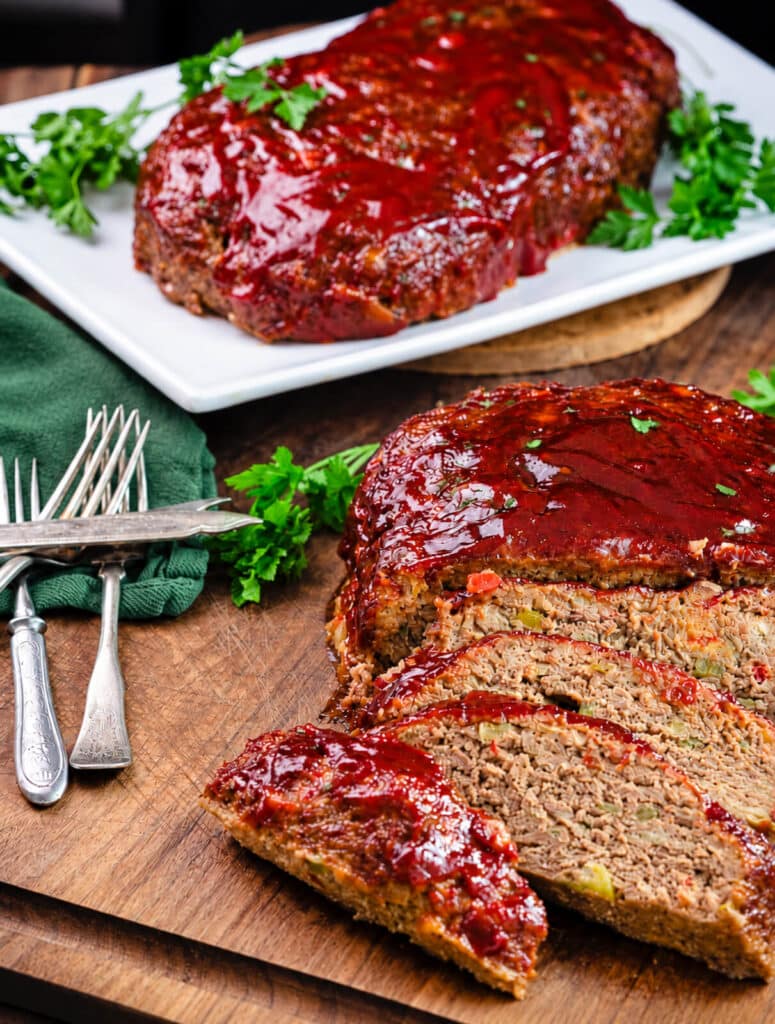
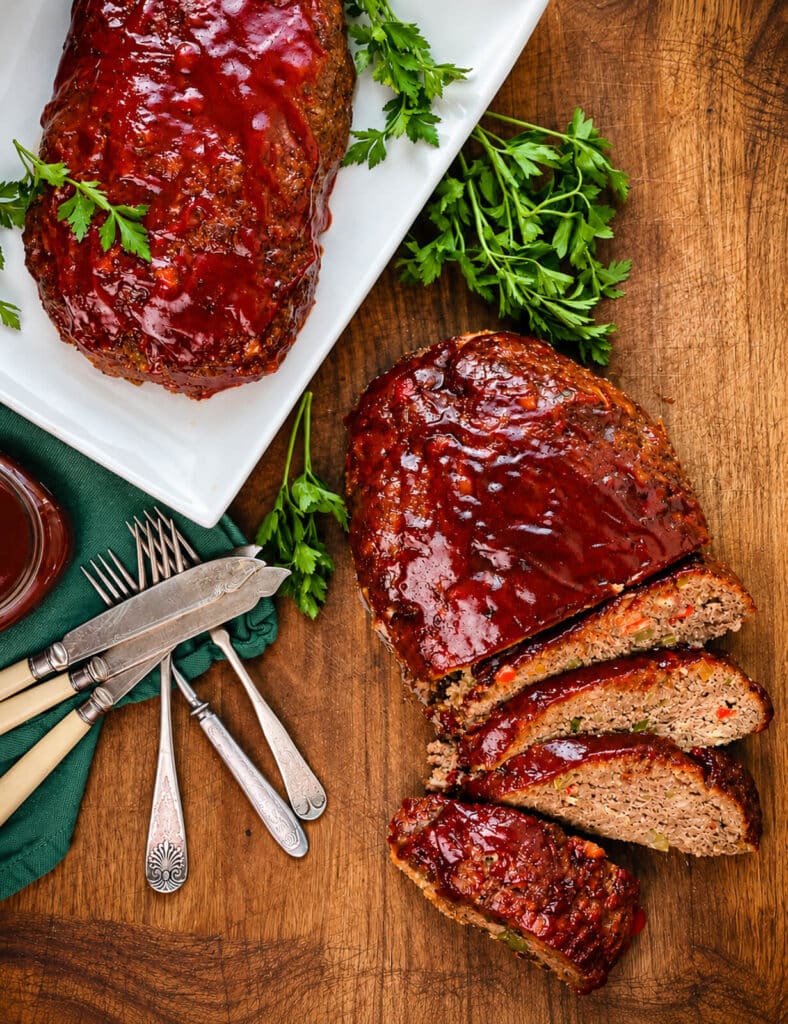
If you bought my first cookbook, thank you, and you probably remember the smoked meatloaf in it. It’s one of the recipes I get the most feedback on, enough that I built a second meatloaf for my next book, this time without the smoke.
This one’s an Italian meatloaf instead of the smoked BBQ style. Tomato-based glaze instead of ketchup and brown sugar, grilled instead of smoked.
Almost every Italian meatloaf recipe you’ll find online is baked in the oven. This one’s built for the grill, with a full oven method included if that’s what you’ve got.
What Makes This One Different?
This is the third meatloaf on the site, and each one solves a different problem with a different fix.
The smoked meatloaf uses a buttermilk panade because a 2.5-hour smoke is a long stretch for moisture to cook out. The turkey meatloaf leans on mushrooms and cheese because turkey doesn’t bring much fat to the table on its own. This one uses the same buttermilk panade as the smoked version, since it’s facing the same long, slow cook, just without the wood smoke.
The seasoning profile is different too. Italian seasoning and roasted red peppers replace the hickory smoke that flavors the smoked version, and this tomato-sauce based glaze replaces the BBQ sauce.
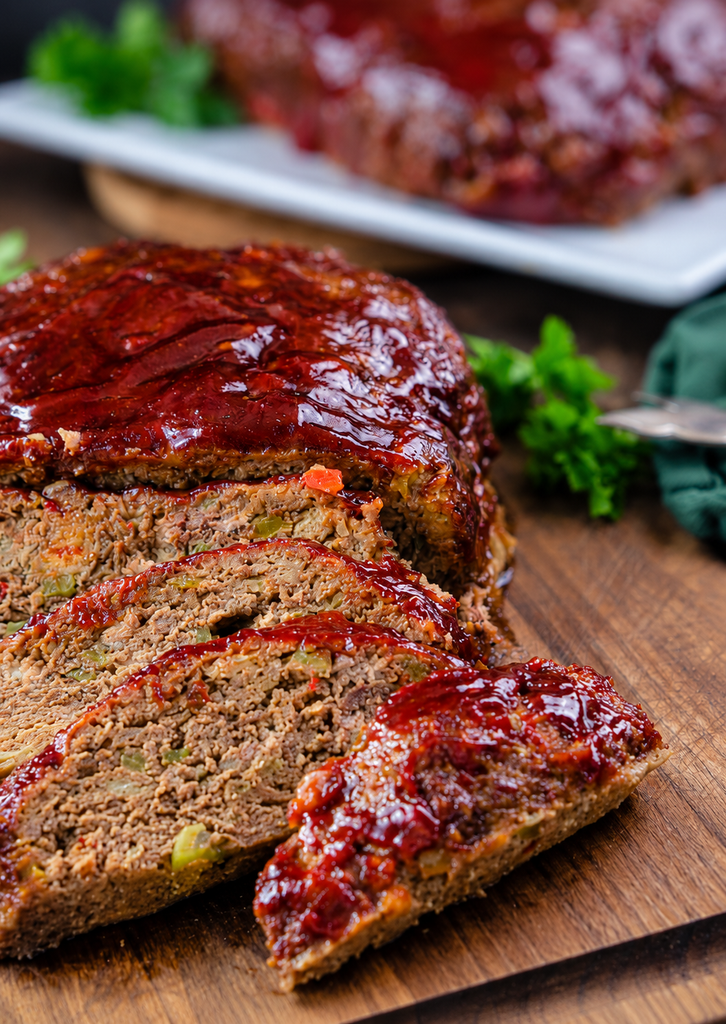
A lot of Italian meatloaf recipes lean on a heavy hit of marinara sauce and a blanket of melted mozzarella to carry the Italian flavor. Basically, Italian meatballs in loaf form. This one skips the cheese and marinara sauce entirely.
Italian flavor definitely makes its presence known in both the meat and the glaze, but the glaze stays thin on this one. It’s more of a finishing touch instead of a thick smothering blanket like marinara and melted mozzarella.
If you’d rather work in burger form, my Meatloaf Comfort Burgers recipe uses the same buttermilk panade and beef-and-Italian-sausage base, just built for the skillet with its own seasoning and topping.
How To Make Italian Meatloaf Moist
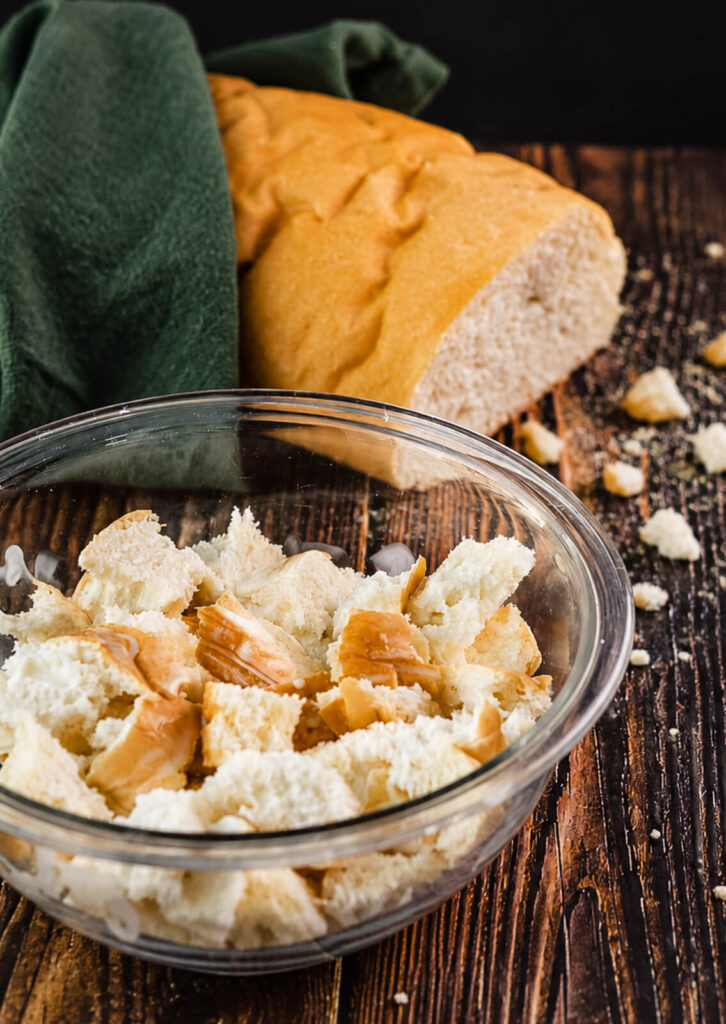
This meatloaf uses the same buttermilk-soaked bread trick as my smoked meatloaf. Cut the bread into ½” pieces, not 1″, for the same reason it matters there: bigger chunks leave dense pockets instead of blending in.
The logic is the same too. This is a longer, slower cook with over an hour on the grill, and the soaked bread holds onto moisture through that whole stretch.
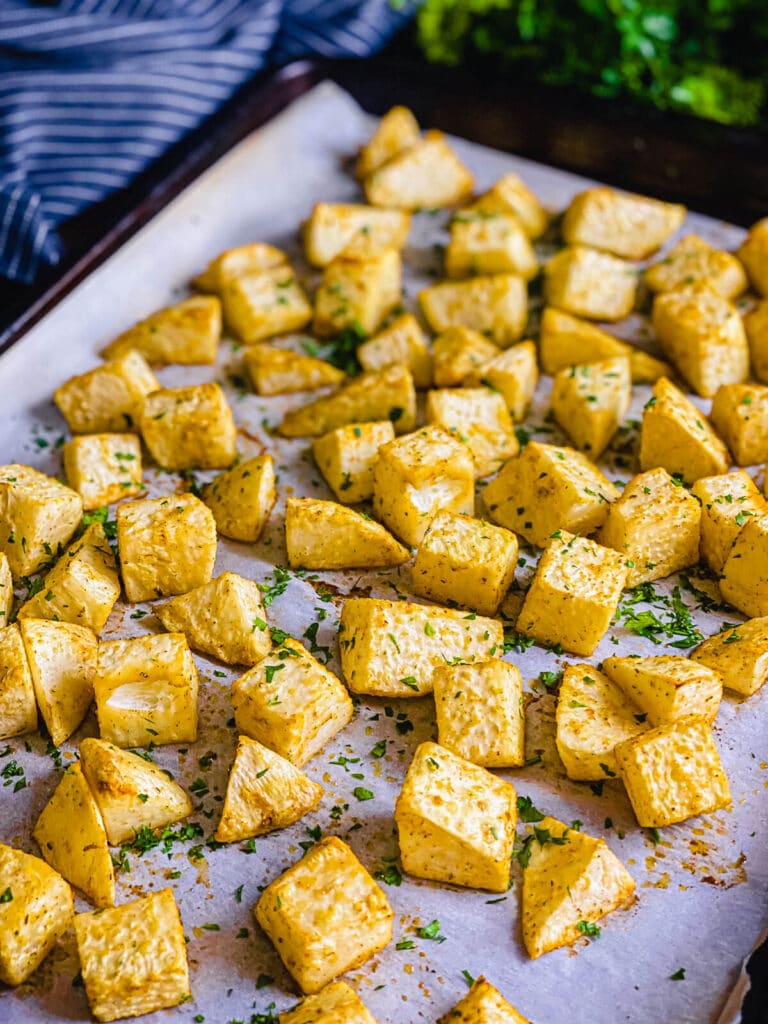
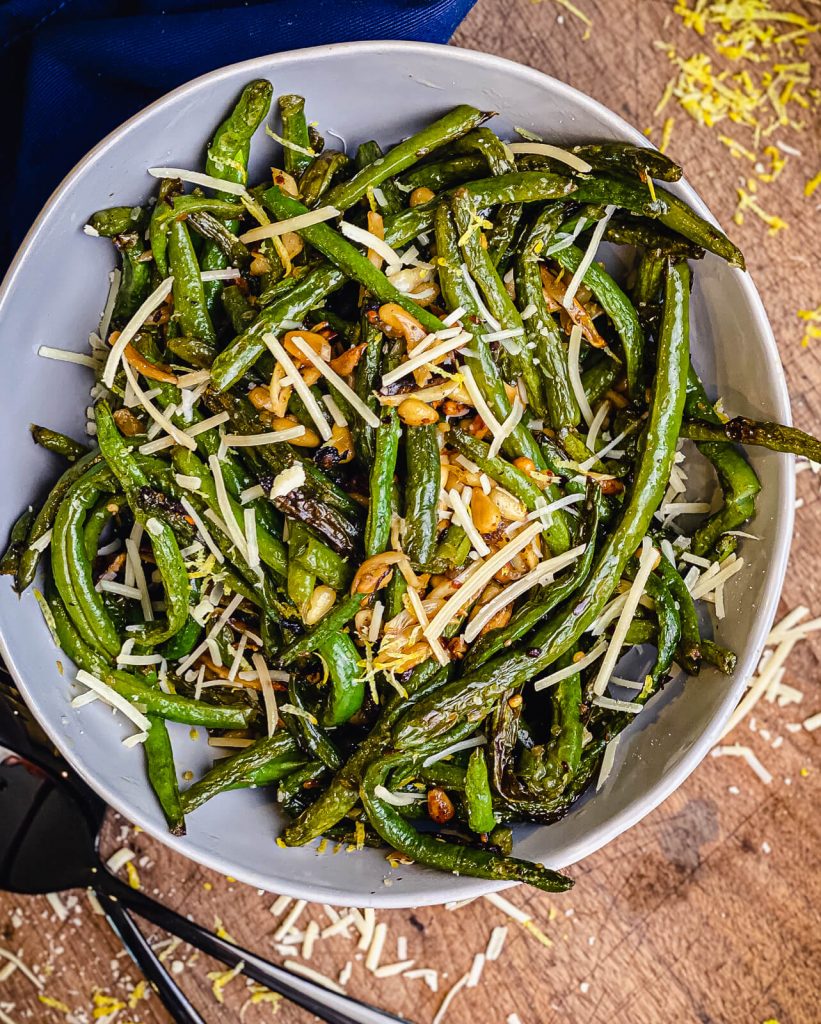
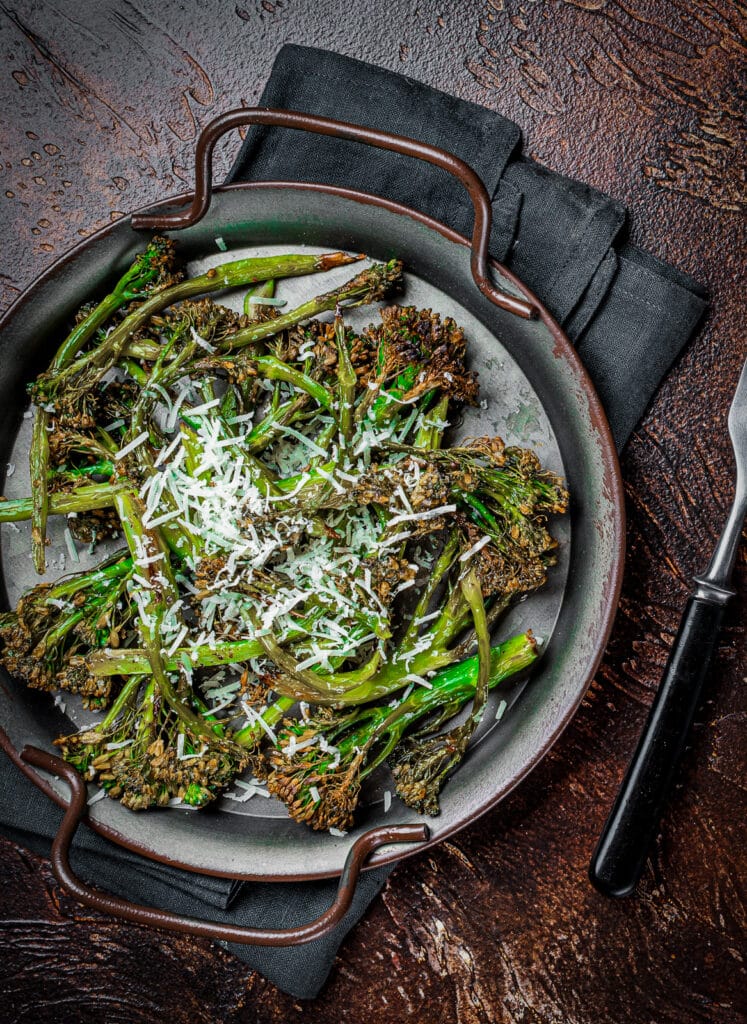
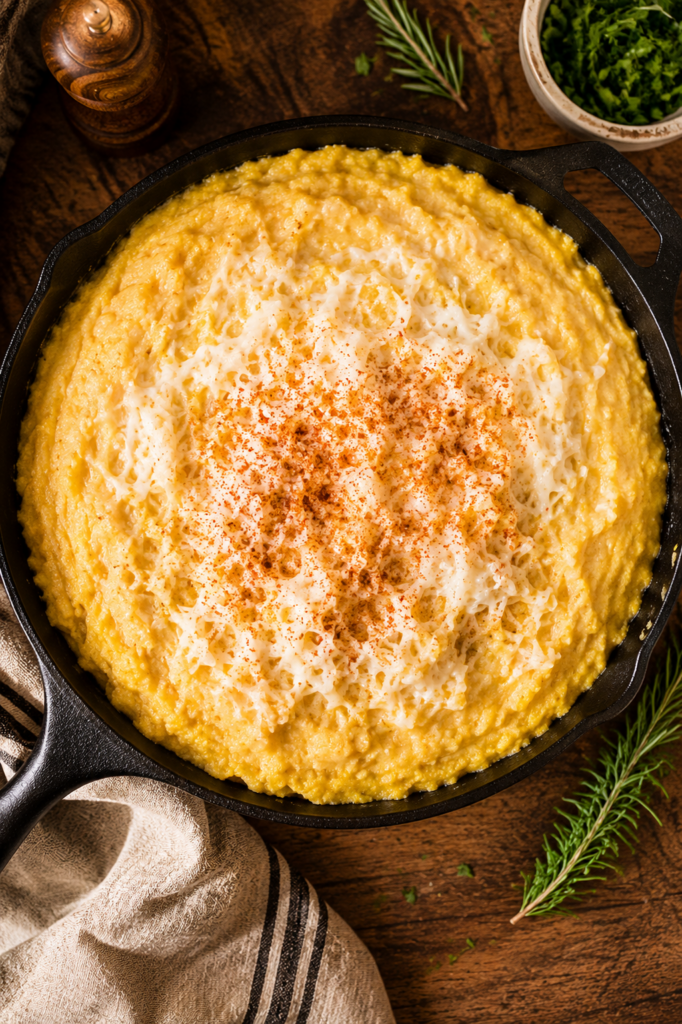
Tap Images Below for Meatloaf Sides
Why I Reach For Lump Charcoal (And What Works Almost As Well)
I started using lump years ago for a boring reason: cleanup. Briquettes leave behind a mountain of ash, lump barely leaves any.
Once I made the switch, I noticed something I wasn’t expecting. Lump gave me more actual flavor than briquettes on indirect cooks like this one. It turns out there’s a real reason for that because….science and all.
See, lump charcoal isn’t fully burned down to pure carbon. Structurally, it’s still wood, so it holds onto some of the same flavor that makes wood smoked food taste the way it does. On an indirect cook, there’s no fat dripping onto hot coals to vaporize and add flavor that way, so lump’s residual wood compounds end up doing the work.
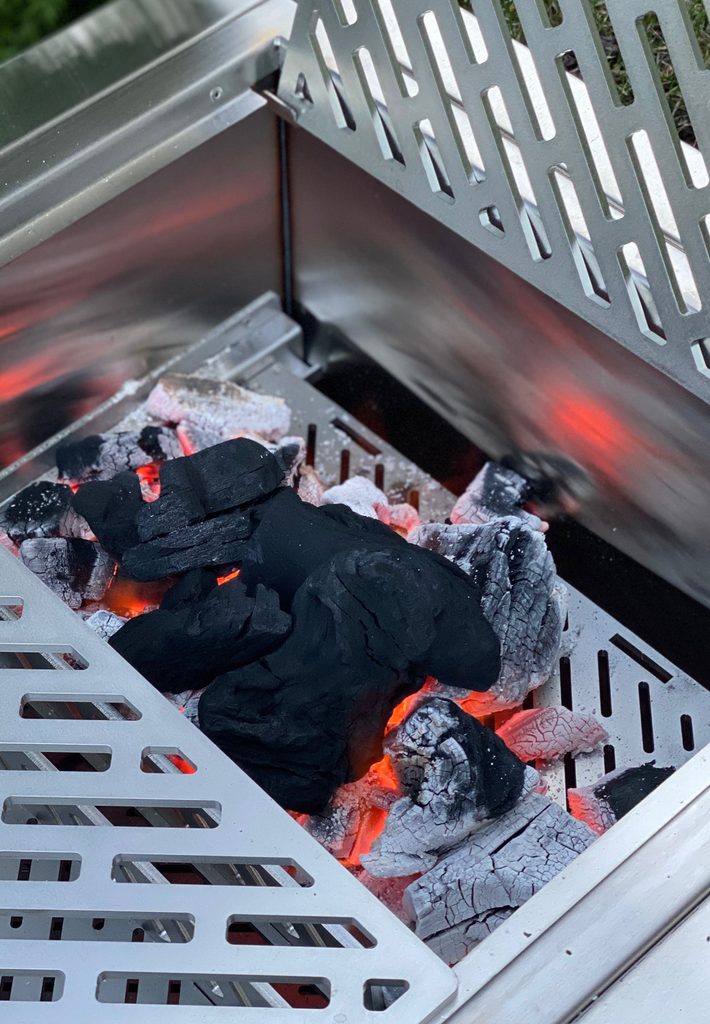
None of that stops me from missing briquettes, though. There’s still nothing like the smell of old school blue bag Kingsford ashing over. It’s one of the most nostalgic smells in grilling to me, and switching to lump hasn’t changed that one bit.
If that nostalgia hits you too and briquettes are your jam, you’re not giving up the farm. A quality briquette gets you most of the way there, especially one made from real hardwood instead of sawdust and fillers.
About The Sauce
I initially used marinara sauce when I was developing this recipe, and it was a mistake. It was good for sure, but the whole dish tasted like a meatball sub, and the second that flavor shows up, this isn’t meatloaf anymore. It’s spaghetti and meatballs wearing a meatloaf costume.
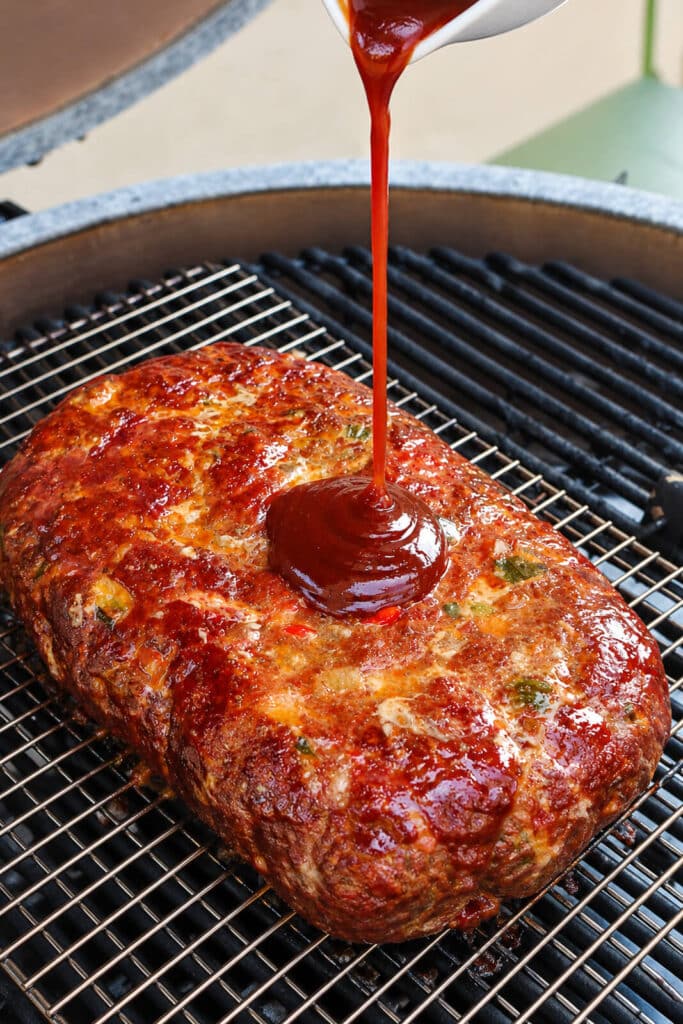
This glaze skips the marinara for tomato sauce and ketchup instead. Same tomato base, none of the meatball-sub flavor, so it’s Italian-forward for sure, but doesn’t go full meatball-in-a-loaf.
Brown sugar, Italian seasoning, oregano, and a little granulated garlic round it out. Simple on purpose, the meatloaf itself is already carrying the Italian seasoning and roasted red peppers, so the glaze just needs to tie it together, not challenge it to a fist fight.
What Temperature Should Italian Meatloaf Be?
I don’t stop at 160°F on this one, even though most meatloaf guides tell you to. What I’m actually after is a real crust on the outside of the loaf, and that usually happens around the time it hits 150°F internal.
Glaze it any earlier, and that crust never gets the chance to form. It’s like frosting a dough ball instead of a baked cookie.
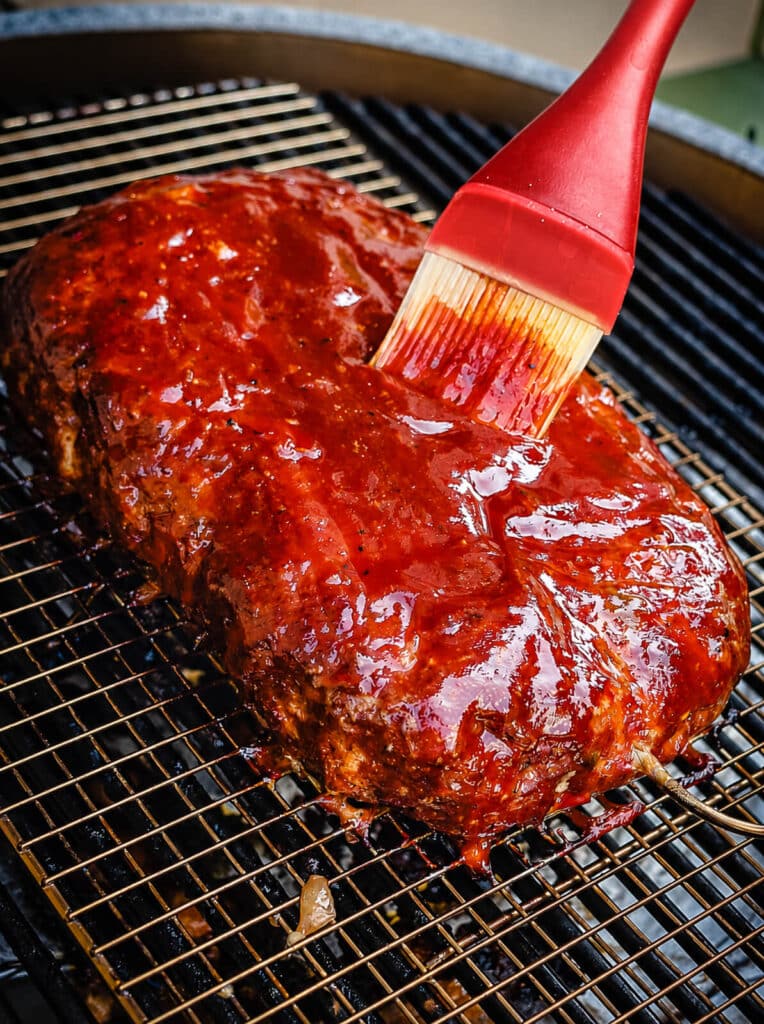
Once it’s glazed, the sauce needs about 15 minutes at 350°F to tack up. That’s just how long it takes for the sugar in the glaze to actually set.
That 15 minutes will push the loaf up to about 165°F, five degrees past where most guides stop. That’s not really the goal, it’s just what happens while the sauce sets, and it’s worth it for a crusty loaf and a tacky glaze instead of a wet, sloppy one.
Oven Method
No grill? It’s all good, just preheat the oven to 235°F. Then, bake the loaves on a wire rack over a sheet pan until they hit 150°F, about an hour.
Remove the loaves from the oven and bump the heat to 350°F while you glaze them. A grill’s like a drag car, it can accelerate from 235°F to 350°F lickity split. An oven’s more like an old Buick, it’ll get there, just not in a hurry.
That’s why I pull the loaves out to glaze while the oven preheats to 350°F. If the loaves stayed in, glazed, while the oven was still climbing, they’d overcook before it even hit 350°F, and the glaze still wouldn’t be set.
Return the loaves to the oven and bake till your glaze is set, about another 15 minutes. You’ll lose the lump charcoal character I love, but these are still really darn good, moist meatloaves.
Italian Meatloaf FAQ
Yes, see the Oven Method above.
Usually not enough binder or not enough rest time. The eggs and buttermilk-soaked bread hold this one together, and skipping the hour in the fridge before shaping is the most common reason a loaf won’t hold up.
Yes. Shape the loaves, cover tightly, and refrigerate up to 24 hours before cooking.
Yes, both before and after cooking. Shape the raw loaves and freeze wrapped tightly for up to 3 months, or freeze cooked leftovers the same way.
Ground pork works if you can’t find sweet Italian sausage, though you’ll lose some of the fennel and garlic flavor the sausage brings.
How To Make Italian Meatloaf
Step 1: Tear bread into ½ inch pieces and place in a bowl with the buttermilk. Set aside.
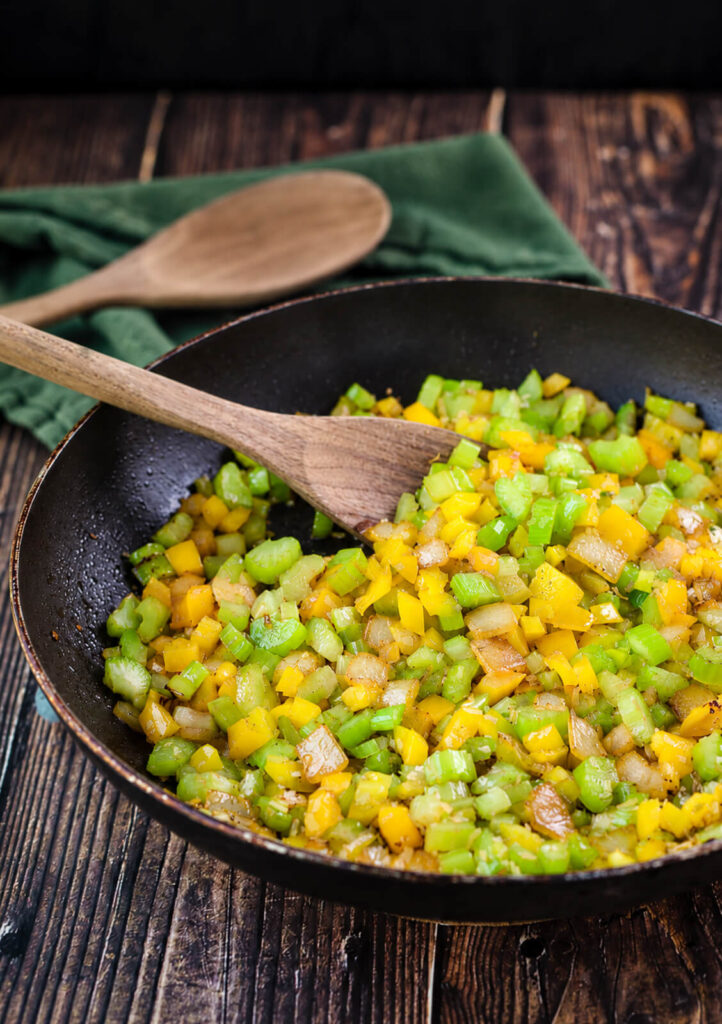
Step 2: Heat olive oil in a saute pan over medium-high heat. Add celery, letting it soften for about four minutes. Add yellow pepper and onion, season with salt, and cook another two minutes, then add the garlic and cook till fragrant, about another minute. Remove from heat and allow vegetables to cool.
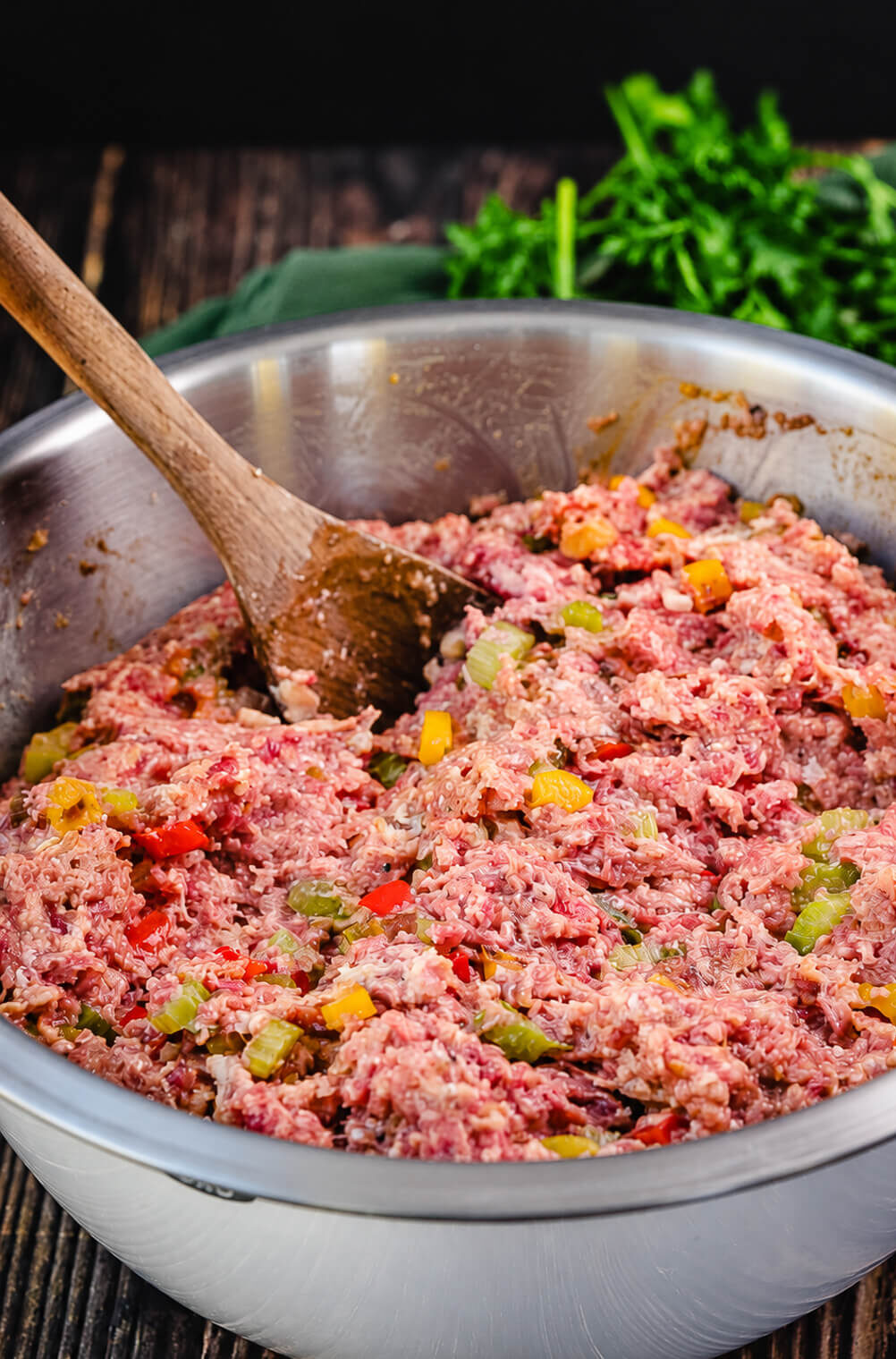
Step 3: In a large bowl, combine ground beef, Italian sausage, cooled vegetables, roasted red peppers, parsley, eggs, Italian seasoning, and soaked bread. Mix by hand until just combined.
Step 4: Cover and refrigerate for at least one hour.
Step 5: Set up grill for two-zone cooking and preheat to 235°F.
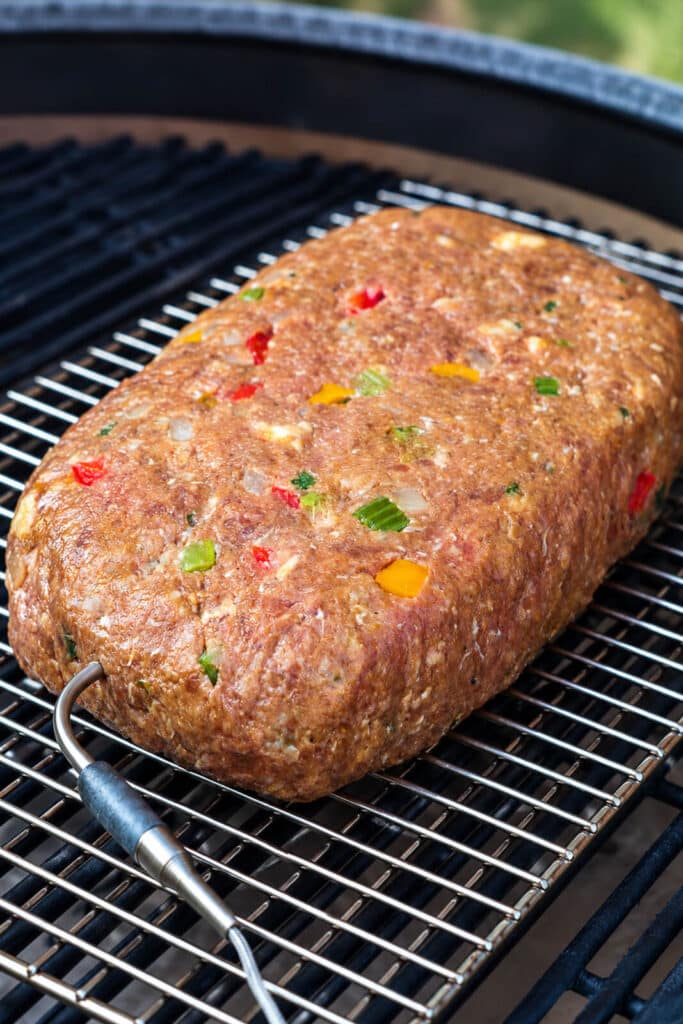
Step 6: Divide mixture into two equal portions. Shape each into a loaf, about two inches high, six inches wide, and ten inches long, on parchment paper. Transfer to a wire rack.
Step 7: Place rack on the grill over indirect heat, close the lid, and cook until internal temp reaches 150°F, about one hour.
Step 8: Combine sauce ingredients in a saucepan and whisk over low heat until warm. Then, brush loaves with sauce, increase grill to 350°F, and cook until internal temp reaches 165°F, about 15 minutes.
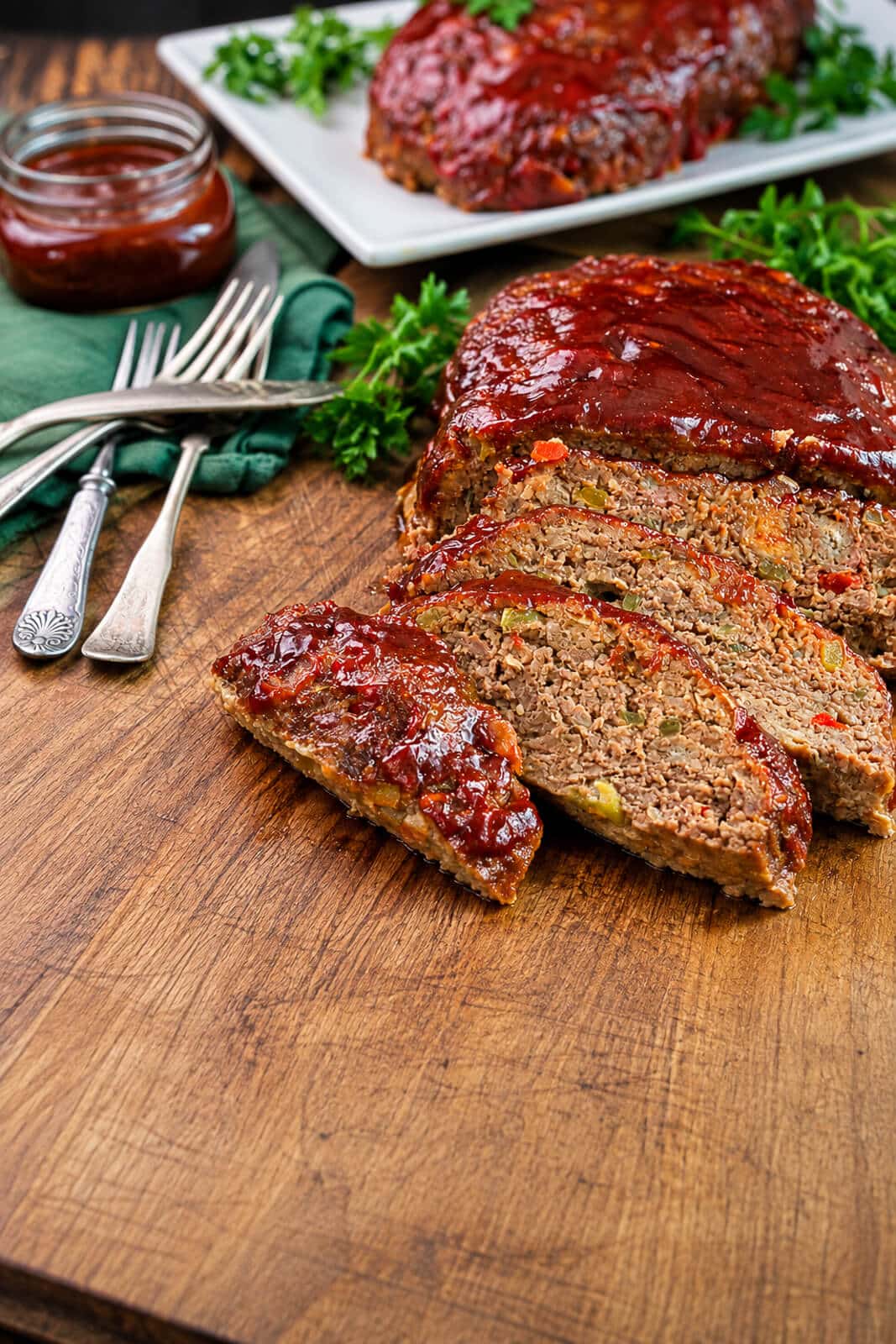
Step 10: Remove from grill and rest for ten minutes before slicing.
This recipe is from my first book, Grill Seeker: Fire, Smoke, and Flavor. Grab your copy here for more recipes like it.
Ingredients
- 4 slices Italian bread cut into ½ inch squares
- ¾ cup buttermilk
- 2 tbsp olive oil
- 1 cup celery chopped4
- 1 cup yellow bell pepper diced
- 1 cup sweet onion diced
- 4 cloves garlic minced
- 3 tsp kosher salt
- 2 lb ground beef 80/20
- 1 lb sweet Italian sausage
- 1 cup roasted red peppers chopped
- ⅓ cup flat leaf parsley finely chopped
- 2 large eggs beaten
- 2 tbsp Italian seasoning
Glaze
- 1 cup tomato sauce
- ½ cup ketchup
- ½ cup light brown sugar
- 2 tsp Italian seasoning
- ¼ tsp dried oregano
- ¼ tsp granulated garlic
Instructions
- Soak the bread in the buttermilk. While the bread is soaking, sauté the celery in olive oil for four minutes, then add the pepper, onion, and garlic. Season with kosher salt and cook three more minutes. Let cool.
- Combine the beef, sausage, cooled vegetables, roasted red peppers, parsley, eggs, Italian seasoning, and soaked bread by hand until just mixed.
- Refrigerate one hour. While the mix is in the refrigerator, preheat grill for two-zone cooking at 235°F.
- Shape mixture into two loaves (2" x 6" x 10") on parchment paper trimmed closely around the loaves, then transfer them to a wire cooling rack.
- Place the racks on grill over indirect heat. Close lid and allow to cook until internal temp reaches 150°F, about 1 hour.
- While loaves are cooking, whisk sauce ingredients together in a saucepan and warm over low heat.
- Glaze the loaves, increase grill to 350°F, and cook for an additional 15 minutes.
- Rest for 10 minutes before slicing.